
Last updated September 25, 2026
ADU Warning Signs: A Glendale Homeowner’s Reference Guide
In 2023, Glendale Building & Safety issued stop-work orders on 11 ADU projects for construction preceding permit issuance. Every one of those homeowners had signed a contract. None of the contracts had a clause requiring permits before work began. Most ADU projects don’t fail because of crooked studs or leaky plumbing. They fail because the paper trail falls apart: a permit stuck in “applied” status while concrete cures, a soils report referenced in drawings but never performed, a Title 24 energy report that doesn’t match the insulation actually installed. This guide-along with our The Complete Guide to ADU in Glendale-teaches Glendale homeowners to read the documents, not just the walls. You’ll learn how to pull permit records yourself, spot contract language that shifts risk onto you, recognize when construction is outpacing inspections, and protect your property from mechanic’s liens and title problems that surface years later.
Quick Answer
The warning signs that your Glendale ADU project is in trouble almost always appear in documents before they appear in construction. Red flags include permits still in “applied” status when ground breaks, contract language like “permit-pending” or “subject to plan check approval,” draw requests that exceed completed inspection milestones, and subcontractors billing you directly. Check Glendale’s eTRAKiT portal weekly during active construction. If the permit status doesn’t match the activity on your property, work should stop until it does.
Table of Contents
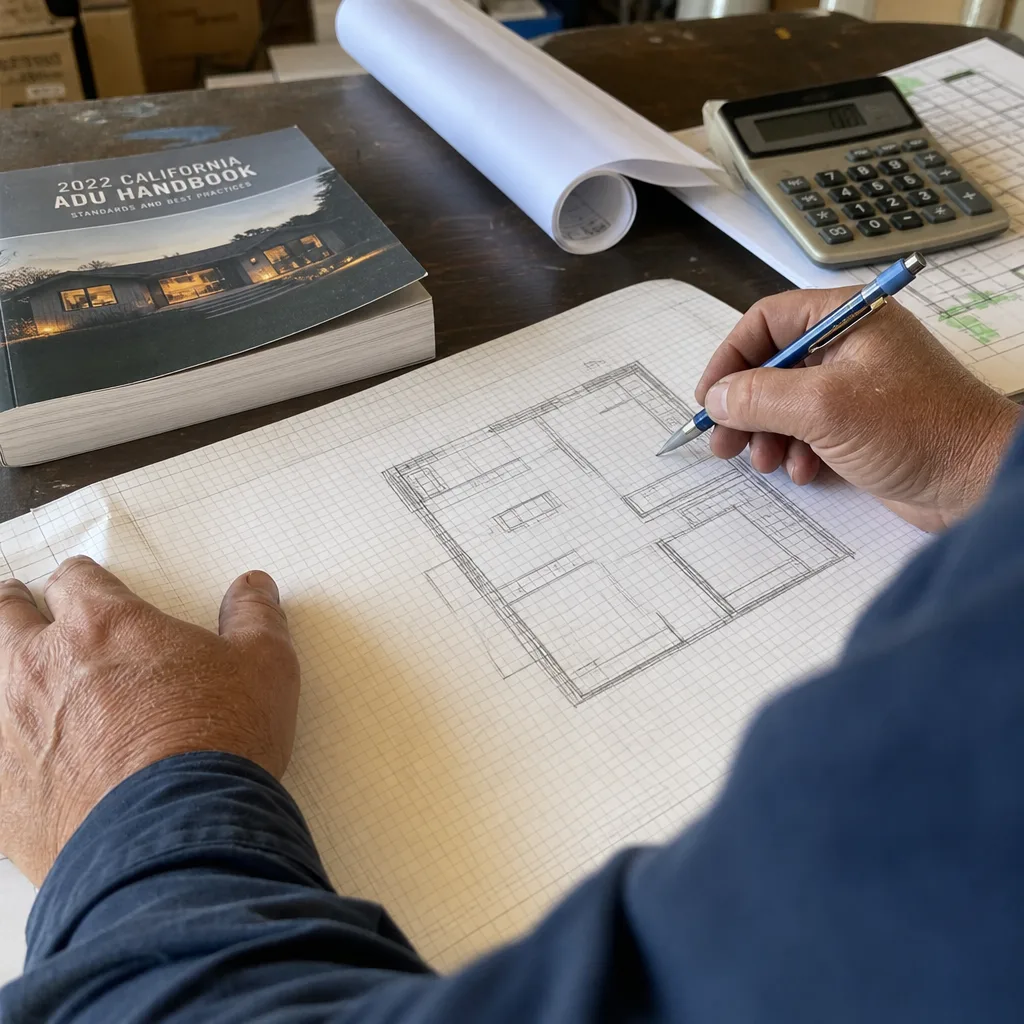
- Document Warning Signs: Reading the Paper Trail Before Ground Breaks
- Contract Red Flags: The Phrasing That Shifts Risk to You
- Site Warning Signs During Construction
- Financial Warning Signs: Draws, Liens, and Who Gets Paid
- Post-Construction Warning Signs: Certificates, Registries, and Title
- How to Pull Permit Records Yourself on Glendale’s eTRAKiT Portal
- Common Mistakes to Avoid
- When to Call a Professional
- Frequently Asked Questions
Document Warning Signs: Reading the Paper Trail Before Ground Breaks
Every ADU project in Glendale generates a stack of documents before the first shovel hits dirt. The most important ones are also the most commonly mishandled. Here’s what to verify, in order.
The Permit Status Gap
Glendale Building & Safety uses three permit statuses that sound similar but mean radically different things for your liability:
- Applied: Your contractor has submitted plans. Nothing is approved. Construction at this stage is illegal in Glendale and voids your homeowner’s insurance for any incident on site.
- Issued: Plans are approved, fees paid, and the permit is active. This is the only status that allows legal construction to begin.
- Finaled: All inspections passed, Certificate of Occupancy (CofO) or equivalent issued. A finaled permit is required for rental registry compliance and title insurance clearance.
We’ve reviewed projects in the Chevy Chase Canyon and Rossmoyne areas where homeowners discovered, months into construction, that their permit was still “applied.” The contractor had framed walls, run electrical rough, and poured a partial foundation. In one case on Mountain Street, the setback variance the contractor had verbally assured the homeowner was “handled” had never been submitted. The foundation had to be cut back at additional cost.
Missing Soils or Geotechnical Reports
Glendale’s hillside geography, particularly in the Verdugo Woodlands and Glenoaks Canyon areas, triggers geotechnical requirements that flatland contractors sometimes miss. If your drawings reference a soils report, request the stamped original. A reference in the structural notes is not proof the report was performed. We’ve seen permit sets with boilerplate language about “expansive soils per geotechnical report” where no report existed. The city won’t catch this until the foundation inspection, at which point you’re holding a half-dug hole and a stopped clock.
Title 24 Mismatches
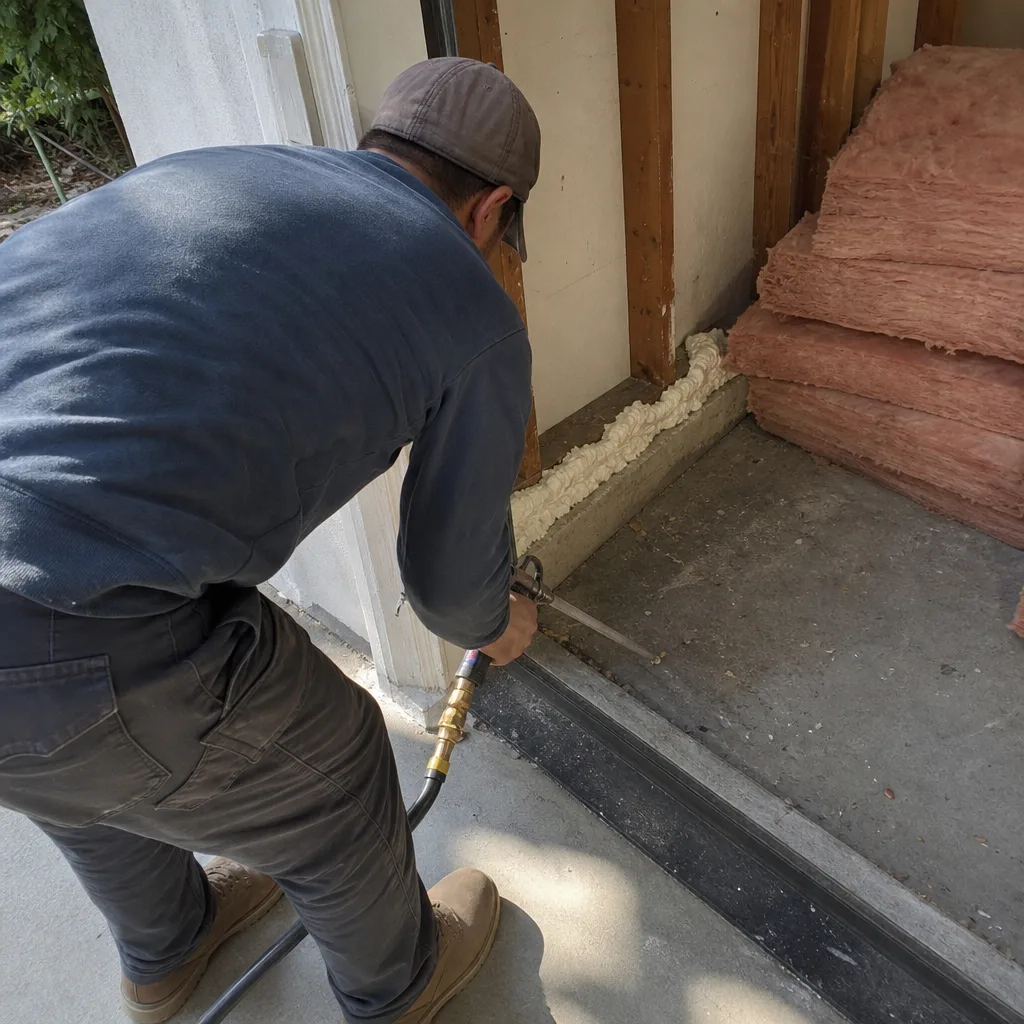
California’s energy code requires a Title 24 report specifying insulation R-values, window U-factors, and HVAC efficiency. The warning sign: your contractor orders materials from a takeoff list that doesn’t match the Title 24 report in the permit set. In Glendale’s climate zone (CZ9), the specified wall insulation might be R-19 batts, but the crew installs R-13 because that’s what the lumber yard had. The insulation inspector fails the rough inspection, drywall is delayed, and the fix requires opening finished walls.
At ADU Design & Permitting in Glendale, we include the Title 24 report in every permit set and require the project manager to sign off on material takeoffs against it before any order is placed. Under Haven Standard Clause 3 (Documented Match), the photo record on the first framing visit includes a shot of the insulation packaging with the R-value visible.
The Utility Service Letter
ADUs in Glendale often require electrical service upgrades, especially in older neighborhoods like Adams Hill where original panels are 100 amps. Glendale Water & Power requires a service letter confirming available capacity. A warning sign: your contractor begins trenching for a new meter without showing you the approved service letter. Without it, you may trench, backfill, and then discover the utility requires a transformer upgrade that adds 8-12 weeks and significant cost.
Contract Red Flags: The Phrasing That Shifts Risk to You
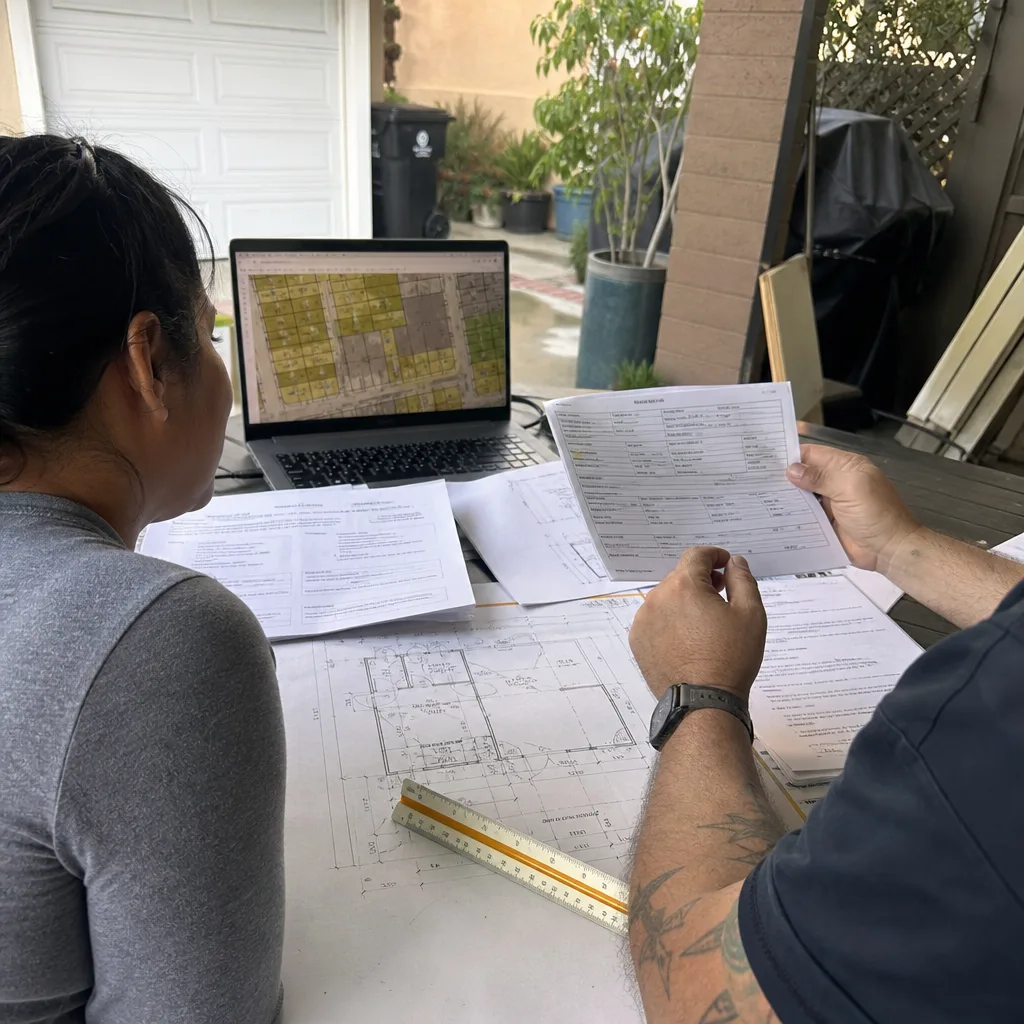
The contract is where risk gets assigned. Most homeowners read the price and the timeline. They should read the contingency clauses and the permit language twice as carefully-our DIY vs Professional ADU: The Glendale Homeowner’s Decision Guide explores how this risk allocation differs by project type.
“Permit-Pending” and Similar Evasions
These phrases in a construction contract mean the contractor can start billing you before they have legal authority to build:
- “Work to commence upon permit application”
- “Subject to plan check approval”
- “Permit-pending start authorized by owner”
- “Pre-construction activities excluded from permit requirements”
There are no “pre-construction activities” that require heavy equipment, foundation excavation, or material delivery. If it’s on your property and it affects grade, drainage, or structure, it needs an issued permit.
The Haven Standard, Clause 1 (Written Price Before Any Work Starts), is paired with Clause 2 (Permit-in-Hand Trigger): no billing begins until the permit status reads “issued” on eTRAKiT. This is not a preference. It’s the mechanism that prevents the 2023 stop-work scenario from repeating.
Vague Allowances Instead of Fixed Line Items
A $45,000 “finish allowance” sounds flexible. It is also where $20,000 overruns hide. The warning sign: more than 15% of the contract value in undefined allowances, or allowances with no specification of what they cover. A proper line-item quote for a Garage Conversion ADU in Glendale breaks out foundation repair, seismic anchoring, electrical panel upgrade, fire separation, and ventilation as separate, priced items with quantities and unit costs.
No Reference to Inspection Milestones
Draw schedules should tie to inspections, not calendar dates. A contract that says “33% due at month two” invites payment for work that hasn’t been verified. The alternative: “Foundation inspection passed, 25% draw authorized.” This is standard in our New Detached ADU in Glendale contracts. The inspection card, signed by the city inspector, is the release trigger.
The “Owner-Provided” Clause
Contracts that require you to “coordinate directly with” the utility, the fire department, or the HOA are transferring project management duties to someone without experience. In Glendale, the Hillside Ordinance and specific neighborhood CC&Rs add layers that homeowners don’t anticipate. If your contract makes you the coordinator, you’re also the one the city calls when the coordination fails.
Site Warning Signs During Construction
Documents tell you what should happen. The site tells you what is happening. Here’s how to read it.
Concrete Poured Without Foundation Inspection
Every concrete pour in Glendale requires a pre-pour foundation inspection. The inspector checks rebar placement, depth, setbacks, and footing dimensions against the approved plans. The warning sign: you arrive to find wet concrete and no green inspection card posted. Or the crew tells you “the inspector came early” but there’s no signed card. Without that signature, the city can require core samples or, in severe cases, removal and re-pour. The cost falls to the homeowner if the contract didn’t mandate inspection hold points.
Framing Covered Before Rough MEP
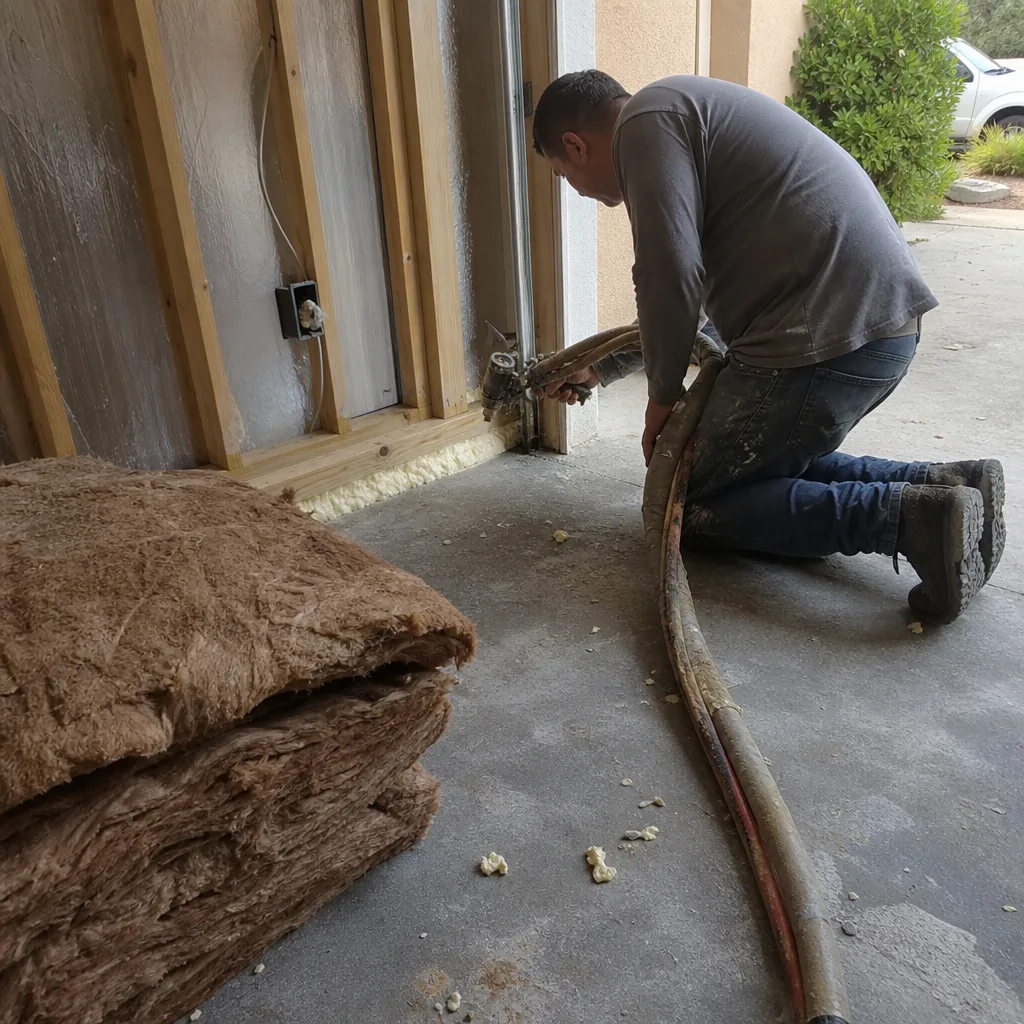
“Rough MEP” means mechanical, electrical, and plumbing systems installed but not yet concealed. In Glendale, these require separate inspections before insulation and drywall. The warning sign: insulation batts visible in wall cavities that still have open electrical boxes with no wire nuts, or HVAC ducts not yet connected to the handler. Once drywall covers these, verification is destructive. A contractor rushing to close walls may be hiding work they know won’t pass, or simply compressing schedule at your risk.
Prefabricated Unit Delivery Without Approved Set Plans
Modular and prefab ADU systems from brands like Mighty Buildings or Plant Prefab arrive with engineered drawings that must be incorporated into the Glendale permit set. The warning sign: a unit delivered to your driveway while the permit still shows “applied” or while the foundation pad doesn’t match the manufacturer’s bearing requirements. We’ve coordinated Tuff Shed conversions where the existing slab was 3.5 inches, below the 4-inch minimum with rebar specified in the engineered drawings. The fix was a slab overlay, but only because we caught it before delivery.
Material Substitutions Without Change Orders
Your contract specifies James Hardie siding. The crew installs a different fiber-cement product. Or the windows arrive with a different NFRC label than the Title 24 report. These aren’t minor substitutions. They affect warranty, fire rating, and inspection compliance. The warning sign: any material on site whose packaging doesn’t match the specification schedule in your permit set.
Our crews photograph every material delivery against the specification schedule. Clients receive these photos, not a verbal confirmation. Under Haven Standard Clause 4 (Photo Record), the documentation is the communication.
Financial Warning Signs: Draws, Liens, and Who Gets Paid
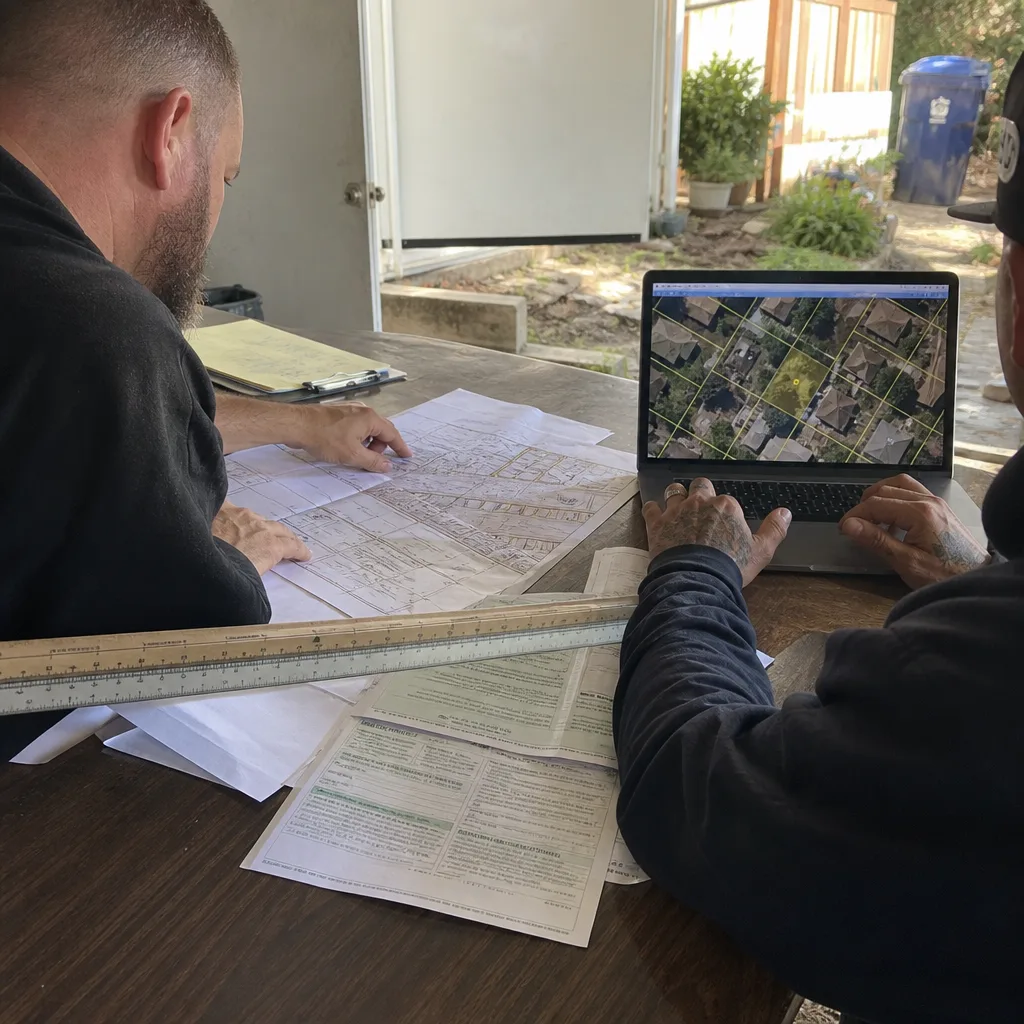
Money moves faster than construction. When it does, you’re financing risk you didn’t agree to.
Draw Requests Ahead of Inspection Milestones
A draw request is a request to release funds from your construction loan or savings. The warning sign: a draw request for 40% of contract value when only the foundation inspection has passed (typically 20-25% of value). This is called “front-loading” and it leaves you with insufficient holdback to complete the project if the contractor stops work. Always match draws to the inspection card, not the contractor’s cash flow needs.
Subcontractor Invoices Addressed to You
This is one of the most dangerous warning signs. If the electrician, plumber, or HVAC subcontractor sends invoices to your address instead of the general contractor’s, you may be exposed to mechanic’s lien claims even if you’ve paid the GC in full. In California, subcontractors can lien the property if not paid by the GC, regardless of your payment status.
The proper structure: you pay the GC; the GC pays subs with funds from a tracked account. If a sub contacts you directly for payment, that’s a signal the GC may be in financial distress or the sub isn’t under a proper subcontract. Request proof of payment for all subs before each draw release.
Missing Lien Releases
Every draw should be accompanied by unconditional lien releases from all subs and suppliers for work to date. The warning sign: a draw request with no releases, or “conditional” releases that haven’t been notarized. In Glendale’s active ADU market, we’ve seen suppliers file liens 18 months after material delivery because the GC never paid and the homeowner never verified release.
Permit Fees Billed Separately Without Receipts
Glendale Building & Safety permit fees for ADUs are public record. A $12,000 “permit and fee allowance” without itemization is a warning sign. Request the actual city invoice. Verify it on eTRAKiT under “fees paid.” The amount should match. Discrepancies suggest the permit hasn’t been issued, fees haven’t been paid, or both.
Post-Construction Warning Signs: Certificates, Registries, and Title
The project isn’t done when the contractor says it’s done. It’s done when the city says it’s done, and when your documentation supports future sale or rental.
No Certificate of Occupancy
Glendale issues a Certificate of Occupancy (CofO) or a signed final inspection card for ADUs. Without it, the unit is not legally habitable. The warning sign: your contractor hands you keys and a “punch list complete” memo but no CofO. You move a tenant in. A neighbor complains. Building & Safety inspects and issues a notice of violation. Now you’re evicting a tenant and paying for expedited final inspection on work that may have been covered or altered since the last city visit.
Rental Registry Addition Without Finaled Permit
Glendale maintains a rental registry. Adding an ADU to it requires a finaled permit number. The warning sign: a property manager or the city contacts you about registry compliance, but your permit status shows “issued” not “finaled.” This happens when contractors declare a project “substantially complete” and move on without pushing through the final inspection queue. The fix is simple but time-sensitive: schedule the final, pass it, get the finaled status. Delays risk rental income loss and code enforcement attention.
Title Insurance Implications
Unpermitted or unfinaled ADU work becomes a title defect. When you sell, the buyer’s title insurer will search permit records. A structure without a finaled permit is flagged as a potential encroachment or unapproved use. Some insurers exclude coverage; others require an indemnity agreement. In either case, your sale is delayed or your net proceeds reduced. The warning sign: any ADU on your property that you cannot document with a finaled permit and CofO.
Missing As-Built Documentation
The permit set shows what was designed. The as-builts show what was built. For future plumbing repairs, electrical upgrades, or foundation work, you need accurate as-builts. The warning sign: your contractor delivers no marked-up drawings, no photos of concealed conditions, no documentation of where utilities run. Five years later, a plumber cuts into a conduit because no one knew it was there. The repair is invasive and expensive.
Our 365-Day Done Right Promise includes as-built documentation delivery at final walkthrough. If the built condition doesn’t match the permitted drawings, we correct it. This is in writing before the project starts, not a verbal assurance after problems arise.
How to Pull Permit Records Yourself on Glendale’s eTRAKiT Portal
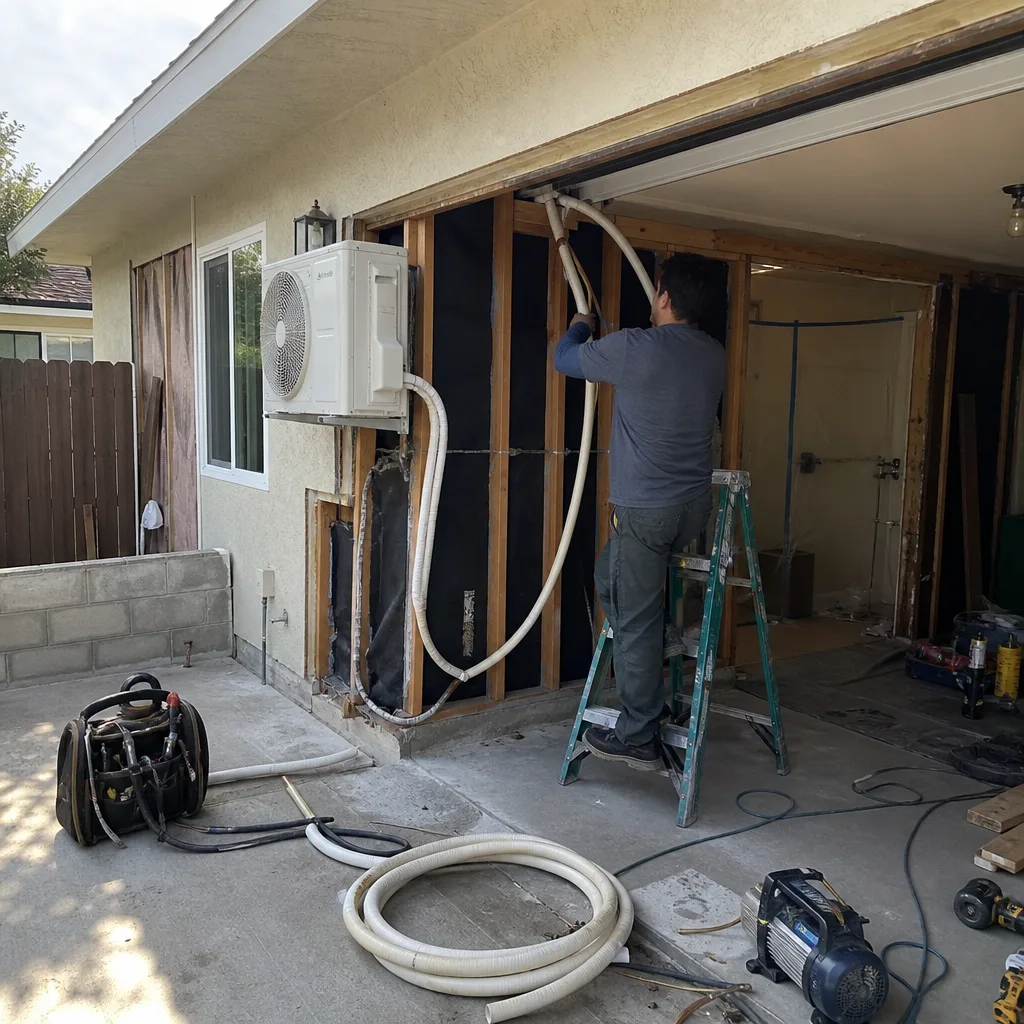
You don’t need to rely on your contractor for permit status. Here’s how to verify it yourself.
- Navigate to eTRAKiT. Go to the Glendale Building & Safety portal at the city’s official website. Search “Glendale eTRAKiT” if you don’t have the direct URL.
- Search by address. Enter your property address exactly as it appears on your deed. The system is sensitive to abbreviations: “St” versus “Street” may return different results.
- Review the permit list. Active permits appear with status icons. Click the permit number for detail.
- Check the status field. “Applied” means submitted, not approved. “Issued” means approved and active. “Finaled” means complete. “Expired” means the permit lapsed, usually after 180 days of inactivity without extension.
- Review inspection history. Each permit shows inspection dates, types (foundation, framing, rough MEP, final), and results (pass, fail, correction required). A long gap between inspections with active construction on site is a warning sign.
- Download or screenshot. Save records weekly during active construction. If disputes arise, your documentation timeline matters.
In Glendale’s market, permit review times for ADUs have ranged from 6 weeks to 14 weeks depending on plan check complexity. A permit in “applied” status beyond 16 weeks without a correction letter from the city suggests the application may be incomplete or the contractor hasn’t responded to corrections.
Common Mistakes to Avoid
- Trusting verbal permit status. A contractor who says “the permit is in, we’re good to start” without showing you the issued status on eTRAKiT is asking you to accept legal and financial risk. Verify independently, every time.
- Paying for “design” before permit feasibility is confirmed. In Glendale’s hillside zones, setback and height restrictions can eliminate ADU options that look viable on a satellite photo. Spend on a zoning confirmation letter before spending on full architectural drawings.
- Accepting a single “project cost” without line-item breakdown. You need to know what foundation repair costs, what the electrical upgrade costs, what the fire separation costs. Lumped sums hide assumptions that become change orders.
- Ignoring the fire separation requirement for garage conversions. Glendale enforces California’s fire-rated separation between garage ADUs and remaining garage space. Skipping this detail in planning means a failed inspection and rebuilt wall.
- Assuming prefab delivery simplifies permitting. Brands like Boxabl and Mighty Buildings arrive with engineered drawings, but those drawings still require Glendale plan check, foundation engineering for local soils, and utility coordination. The box is fast; the paperwork isn’t shortcut.
- Neglecting to record final lien releases. Even after final payment, unrecorded releases from subs leave title exposure. File releases with your project file, and consider a title company verification before sale.
- Renting before final inspection. The rental income is tempting. A notice of violation, tenant relocation costs, and expedited correction work erase months of profit. Wait for the CofO.
When to Call a Professional
Call a design-build professional-see How to Hire a ADU Contractor in Glendale: A Step-by-Step Guide for what to verify-when permit status doesn’t match site activity, when contract language shifts risk to you without clear compensation, when draw requests exceed completed inspections, or when any subcontractor contacts you directly for payment. These aren’t minor concerns. They’re the patterns that precede stop-work orders, lien filings, and unfinished structures.
Ellery ADU Studio Glendale offers free estimates in Glendale, including a Free Second Opinion on any written estimate already in hand. We’ll review your permit status, contract terms, and inspection timeline against what the site shows, and point you to more guides & resources for every stage of your project. Call (424) 325-4322 to schedule. A live person answers 24/7.
Frequently Asked Questions
Permit correction costs typically run $2,500-$8,500 for documentation fixes, $15,000-$45,000 if construction must be altered or removed, and $50,000+ for full reconstruction after a stop-work order with significant unpermitted work. The variation depends on how far construction proceeded out of sequence and whether structural elements are involved. Call (424) 325-4322 for an exact assessment of your situation - estimates are free.
Yes. Glendale Building & Safety uses the eTRAKiT portal, searchable by property address. Status fields show “applied,” “issued,” “expired,” or “finaled.” Inspection history with pass/fail results is visible for each permit. Check weekly during active construction and screenshot results for your records.
It means the contractor wants to start work before the city has approved plans and issued a permit. This is legal only for activities that don’t require a permit, such as soil testing or utility marking. Any construction activity, material delivery, or site alteration under a “permit-pending” clause exposes the homeowner to stop-work orders, insurance voidance, and personal liability for site injuries. Under Haven Standard Clause 2, no Ellery ADU Studio project begins before permit issuance.
Typical Glendale ADU plan review takes 6-14 weeks for standard projects, 16-24 weeks for hillside or complex sites requiring geotechnical or structural engineering peer review. Delays beyond these ranges usually indicate incomplete applications or uncorrected plan check comments. The eTRAKiT portal shows correction letters with response deadlines.
You face code enforcement action, potential tenant relocation costs under Glendale’s tenant protection ordinances, inability to enforce lease terms in court, and title insurance complications on sale. The Certificate of Occupancy is the legal threshold for habitation. Without it, the unit is not a lawful dwelling.
Under a properly structured contract with fixed line items and inspection-triggered draws, the price should not change for the defined scope. Changes occur only through written change orders for owner-requested modifications or concealed conditions discovered after reasonable investigation. Warning signs of price change risk include high allowances, vague contingency language, and contracts without scope-lock provisions. Under Haven Standard Clause 5 (No Surprises), the scope is locked at signing; no door-side upsells, no scope creep. Call (424) 325-4322 to review your estimate against this standard.
The Bottom Line
ADU projects in Glendale fail in the documents before they fail in the field. The homeowners who protect themselves read permits, contracts, and inspection cards with the same attention they give to tile selection. Verify permit status independently on eTRAKiT. Demand line-item pricing with inspection-linked draws. Never accept construction ahead of permit issuance. Document everything, especially what gets covered by walls. And before you sign any contract, confirm that the price, the permit trigger, and the warranty are in writing, not in conversation. The paper trail is your protection. Build it as carefully as you build the ADU.
Written by Nadia Ellery, Owner at Ellery ADU Studio Glendale, serving Glendale since 2015.