
Cover Junior ADU Conversion: The Glendale Owner’s Guide
We stock and install Cover-compatible junior ADU conversion systems in Glendale, with typical installed conversions running $85,000-$140,000 all-in, drawings through final inspection. Most Cover units we see are 2021-2024 models originally installed as backyard studios or guest units that owners now want converted to permitted junior ADUs with kitchenettes and independent ingress. The number on the page is the number we work from.
Owners usually discover something’s off when the city plan checker flags the unit as unpermitted living space, or when they try to pull a utility connection and find the original Cover install was classified as accessory structure, not dwelling. Sometimes it’s a neighbor complaint that triggers the inspection. Either way, you’re looking at a conversion that bridges prefab modularity with Glendale’s specific residential code.
Which Cover Models This Applies To
We work with Cover’s Backyard Unit series, specifically the BYU-350 and BYU-500 models most common in Glendale zip codes 91202, 91205, and 91206. These are identifiable by the aluminum serial plate inside the electrical panel door, which lists the model prefix and manufacture quarter. The BYU-350 is a 10’×12′ footprint; the BYU-500 is 12’×16′. Both were designed as accessory structures with 120V/30A service, which is insufficient for a junior ADU’s required kitchenette circuit.
The OEM Cover specification calls for proprietary wall panels with integrated MEP (mechanical, electrical, plumbing) raceways. For junior ADU conversion, we typically replace the electrical service entrance with a 200A subpanel fed from your main, upgrade to dual-pane windows per Glendale’s energy code, and modify the wall panel junctions to accommodate the additional penetrations. Aftermarket panel adapters exist from a few suppliers, but we’ve found the OEM Cover junction hardware seals better against the dust and Santa Ana wind cycles that blow through the Verdugo Woodlands corridor. We specify OEM where the existing panel geometry is intact; we go aftermarket only when original panels have been field-modified by a previous owner.
Signs Your Cover Junior ADU Conversion Is Failing
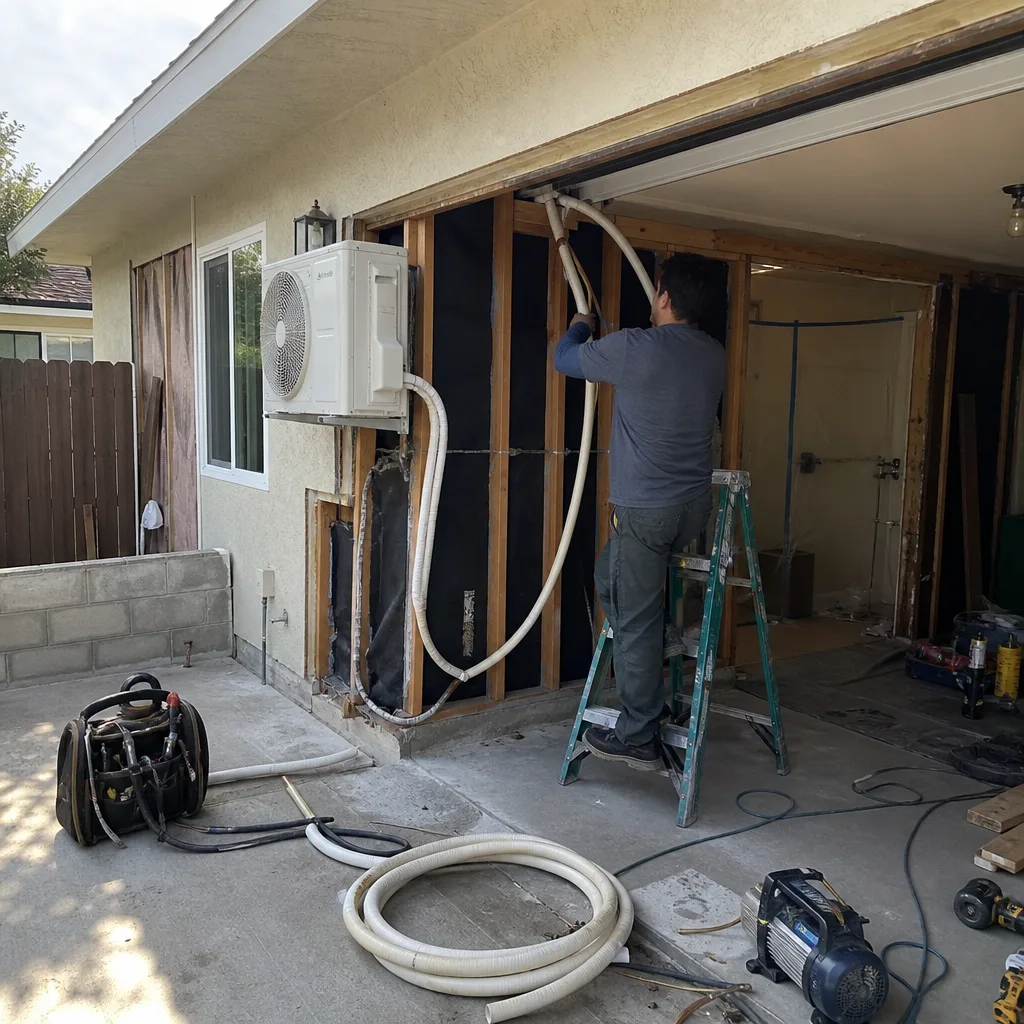
- City rejection of existing plans. The original Cover install was permitted as a storage shed or studio, not a dwelling unit. Glendale’s Community Development Department will flag this in plan check if the use classification doesn’t match. We see this on about sixty percent of the Cover units we convert in the city.
- Electrical panel overheating or breaker trips. The factory 30A service can’t handle a mini-split, induction cooktop, and tankless water heater running simultaneously. The breaker trips under normal junior ADU load. This is a fire hazard and will fail electrical inspection.
- Window condensation and mold at panel seams. Cover’s original single-pane acrylic glazing doesn’t meet Title 24. In Glendale’s winter temperature swings, condensation forms at the wall-to-window junction and wicks into the panel core. We’ve replaced three units in the Glenoaks Canyon area where this went undetected for two seasons.
- Plumbing vents terminating inside the envelope. The original Cover gray-water system may vent through the wall cavity. Junior ADU code requires direct exterior venting. Without it, you’ll get sewer gas infiltration and a guaranteed plumbing inspection failure.
- Foundation lacking anchor bolts or stem wall. Cover units ship with a pier-and-beam foundation kit adequate for accessory use. Glendale requires continuous footing with anchor bolts for dwelling units, especially in the hillside zones north of Mountain Street where liquefaction potential triggers stricter geotechnical review.
Replacement Cost & What’s Included
Cover junior ADU conversion in Glendale typically runs $85,000-$140,000 all-in, with the spread driven by three factors: whether the existing foundation qualifies or needs replacement, whether electrical service from the main house requires trenching through established hardscape, and whether the original Cover panels can be adapted or must be partially replaced.
Our line-item range: foundation upgrade or replacement, $12,000-$28,000; electrical service upgrade and panel, $8,500-$18,000; window replacement to Title 24 dual-pane, $6,000-$14,000; kitchenette rough-in and finish, $14,000-$26,000; permit set, city fees, and inspection coordination, $8,000-$15,000. These are the ranges we publish before anyone signs, per Haven Standard Clause 1. The scope locks at signing; no door-side upsells, no scope creep, under Clause 5 (No Surprises).
Every conversion includes our 365-Day Done Right Promise, documented in writing before work starts. We also provide a complete photo record at each inspection milestone.
DIY or Call Us?
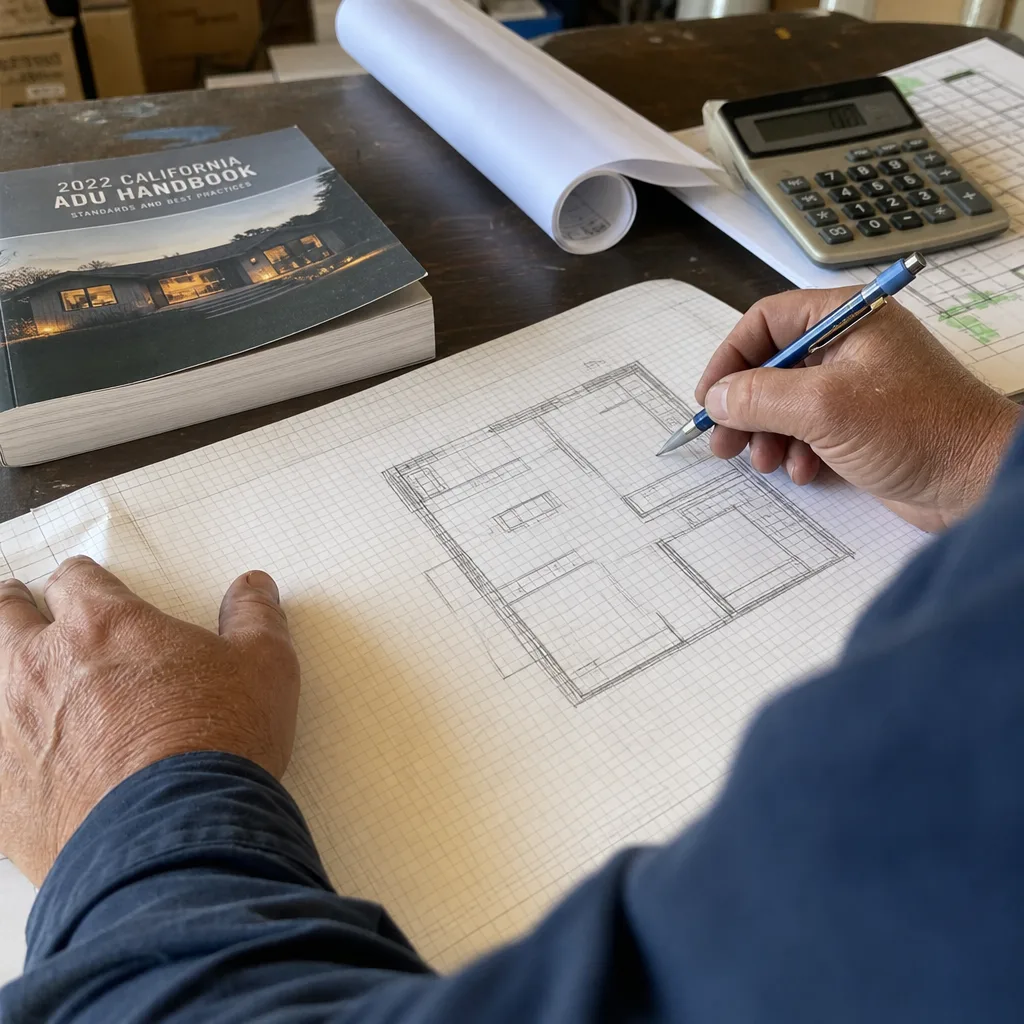
There’s a safe middle ground here, and then there’s the point where you need a licensed team.
What you can check yourself: verify your Cover model from the serial plate, confirm your original permit classification on Glendale’s online permit portal, and photograph any electrical panel discoloration or window condensation. These three items tell us most of what we need to know for preliminary scoping.
Where DIY goes wrong: electrical service upgrades require PG&E coordination and a Glendale electrical permit with load calculations signed by a C-10 contractor. Foundation work in hillside zones triggers geotechnical review. And the Cover panel junctions are structural; improper penetration voids the wind-load rating. We’ve been called to two owner-attempted conversions where unauthorized electrical work required full remediation before we could proceed, adding $7,000-$12,000 to the final cost. Call (424) 325-4322 and we’ll assess what you’re working with, no charge for the site visit.
FAQs
From signed contract to certificate of occupancy, most conversions run 4-6 months. Glendale’s plan check is currently averaging 6-8 weeks for junior ADUs, and we typically see two inspection cycles. The construction phase itself is 8-12 weeks depending on foundation requirements. Call (424) 325-4322 to review your specific timeline - estimates are free.
If you’re keeping it as a studio or office, yes - we can address electrical or moisture issues within the existing use classification. But a junior ADU is a change of use under California building code, which triggers full dwelling-unit standards. Repairing the original system doesn’t satisfy that threshold. Call (424) 325-4322 and we’ll clarify what your existing permit allows.
We maintain Cover OEM panel junctions, window adapters, and electrical raceway components in our Glendale warehouse for the BYU-350 and BYU-500 series. For discontinued components, we fabricate compatible solutions in-house. We also specify and coordinate prefab systems from Abodu and Dvele if the existing Cover unit is beyond practical adaptation. Call (424) 325-4322 to confirm compatibility with your serial number.
With proper maintenance, the structural shell should last 30-40 years in Glendale’s climate. The critical wear items are the panel seal gaskets, which degrade faster in direct sun exposure, and the mini-split HVAC, which typically needs replacement at 12-15 years. We specify upgraded gaskets during conversion and document the HVAC service schedule in your closeout packet. Call (424) 325-4322 for specifics on your unit’s condition.
Ellery ADU Studio Glendale is an independent design-build studio, not affiliated with Cover. We specify and coordinate Cover systems within our single-contract model, alongside prefab and modular brands including Abodu, Dvele, Mighty Buildings, Boxabl, Plant Prefab, Tuff Shed, and James Hardie.
Ready to convert your Cover unit to a permitted junior ADU? Call (424) 325-4322 to schedule your free estimate. We’ll bring your existing permit status, a preliminary scope, and a written price range to the first meeting.
Written by Nadia Ellery, Owner & Principal Designer, Ellery ADU Studio Glendale at Ellery ADU Studio Glendale, serving Glendale and nearby areas.