
James Hardie Junior ADU Conversion: The Glendale Owner’s Guide
James Hardie siding and trim systems for junior ADU conversions in Glendale typically run $18,000-$34,000 installed for a 500-square-foot unit, depending on whether we’re matching existing HardiePlank on the main house or specifying a new ColorPlus palette. We stock James Hardie HZ5 trim boards, HardiePanel vertical siding, and flashing components for same-day repair calls on active conversions. Most Glendale owners discover a failing James Hardie component during their pre-permit site survey, when we find water intrusion behind improperly flashed HardiePanel at the garage-to-ADU transition, or when a previous installer used generic fiber cement screws that shear in the Santa Ana wind cycles common to the Verdugo foothills.
Which James Hardie Models This Applies To
James Hardie junior ADU conversions in Glendale most commonly specify the HardiePlank lap siding in 6.25-inch and 7.25-inch reveals, HardiePanel vertical siding in 4-by-8 and 4-by-10 sheets for modern garage conversions, and HardieTrim boards in 3/4-inch and 1-inch thicknesses for door and window surrounds. The critical compatibility gotcha: HardiePanel requires James Hardie’s proprietary HardieZone specification, and Glendale sits in the HZ5 zone, not HZ10. Installers who spec HZ10 materials, common in Orange County orders, see accelerated edge checking within 18 months because the formulation lacks the freeze-thaw stabilizers our winter nights demand.
To identify your existing James Hardie product, check the stamped code on the back face of any removed board. The first two digits indicate the plant and zone. For OEM versus aftermarket, we specify genuine James Hardie for all field siding because ColorPlus finishes carry a 15-year warranty only when the full system, including factory-caulked joints, is installed per bulletin JH11-14. Aftermarket fiber cement from CertainTeed or Nichiha performs adequately for trim replacement where paint-match is critical, but we document the warranty tradeoff in writing before substitution.
Signs Your James Hardie Junior ADU Conversion Is Failing
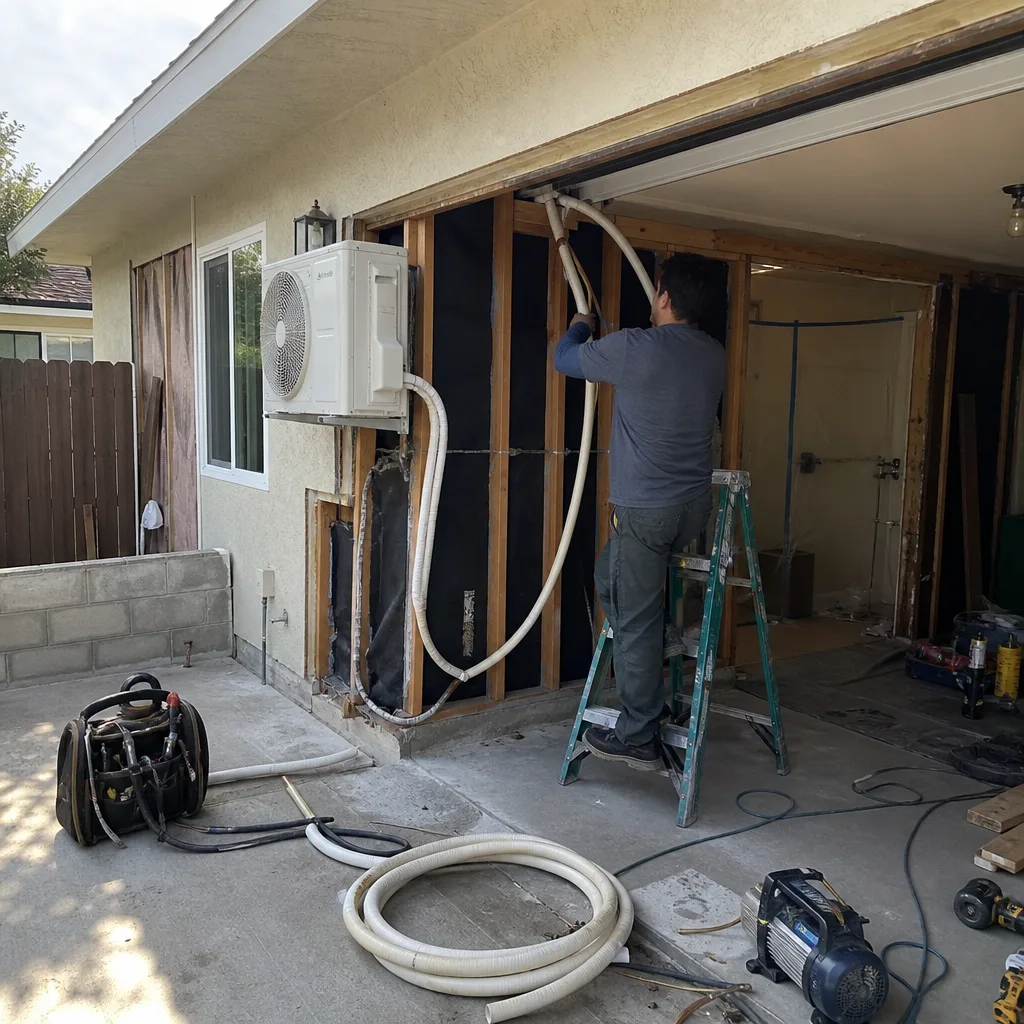
- Soft or discolored drywall at interior corners. James Hardie’s installation requires 1/8-inch gaps at all trim joints with James Hardie Color matched caulk. In Glendale’s dry summers, installers who skip this gap and butt-joint trim boards see caulk failure by month eight, with moisture wicking into the wall cavity through capillary action at the HardieTrim butt.
- Cracking or spalling at the bottom course of HardiePlank. The James Hardie installation code mandates minimum 6-inch clearance from finished grade. On sloped Glendale lots, particularly in the Glenwood and Rossmoyne areas, we’ve found previous crews set the bottom course at 4 inches to hide foundation lines. Ground splash during rare heavy rains saturates the bottom edge; freeze-thaw at 1,200-foot elevation causes the cementitious face to delaminate.
- Fastener pops or siding rattle in Santa Ana winds. James Hardie specifies ring-shank nails or ribbed screws with a 0.313-inch head, driven flush, not countersunk. Generic drywall screws or over-driven fasteners create a stress concentrator; in the 40-mph gusts we see quarterly in the Verdugo corridor, the board flexes around the compromised fastener and the head pulls through.
- ColorPlus chalking or fading unevenly. Genuine ColorPlus carries a 15-year finish warranty, but only when the substrate is primed with James Hardie’s recommended alkali-resistant primer. We’ve documented three Glendale conversions where painters spot-primed with PVA primer instead. The south and west elevations faded to two different tones within 30 months.
- Window leaks despite intact caulking. James Hardie requires Z-flashing above every horizontal trim piece, including window heads, with a 1/4-inch drip leg. Miss this flashing, or use bent-aluminum field flashing without the drip leg, and water tracks behind the trim even when the caulk bead looks perfect. We find this most often on owner-permitted conversions where the city inspector didn’t catch the omission.
Replacement Cost & What’s Included
James Hardie junior ADU component replacement in Glendale breaks down as follows:
| Scope | Typical Range |
|---|---|
| HardiePlank lap siding replacement, 200 sq ft wall | $4,200-$6,800 |
| HardiePanel vertical siding replacement, 150 sq ft | $3,800-$5,900 |
| HardieTrim board replacement, full perimeter | $2,400-$3,600 |
| Flashing remediation (Z-flashing, sill pan, head flashing) | $1,800-$3,200 |
| Full Hardie system replacement, 500 sq ft junior ADU | $18,000-$34,000 |
The range depends on three factors: whether we’re matching existing ColorPlus (factory finish limited to current production colors), whether the substrate behind the failed siding is intact, and whether the original installer left adequate fastening patterns to reuse. Under Haven Standard Clause 1, the number on the page is the number we work from. We itemize every line before you sign, and we photograph the substrate condition during demo so you see what drove any change, documented in real time.
DIY or Call Us?
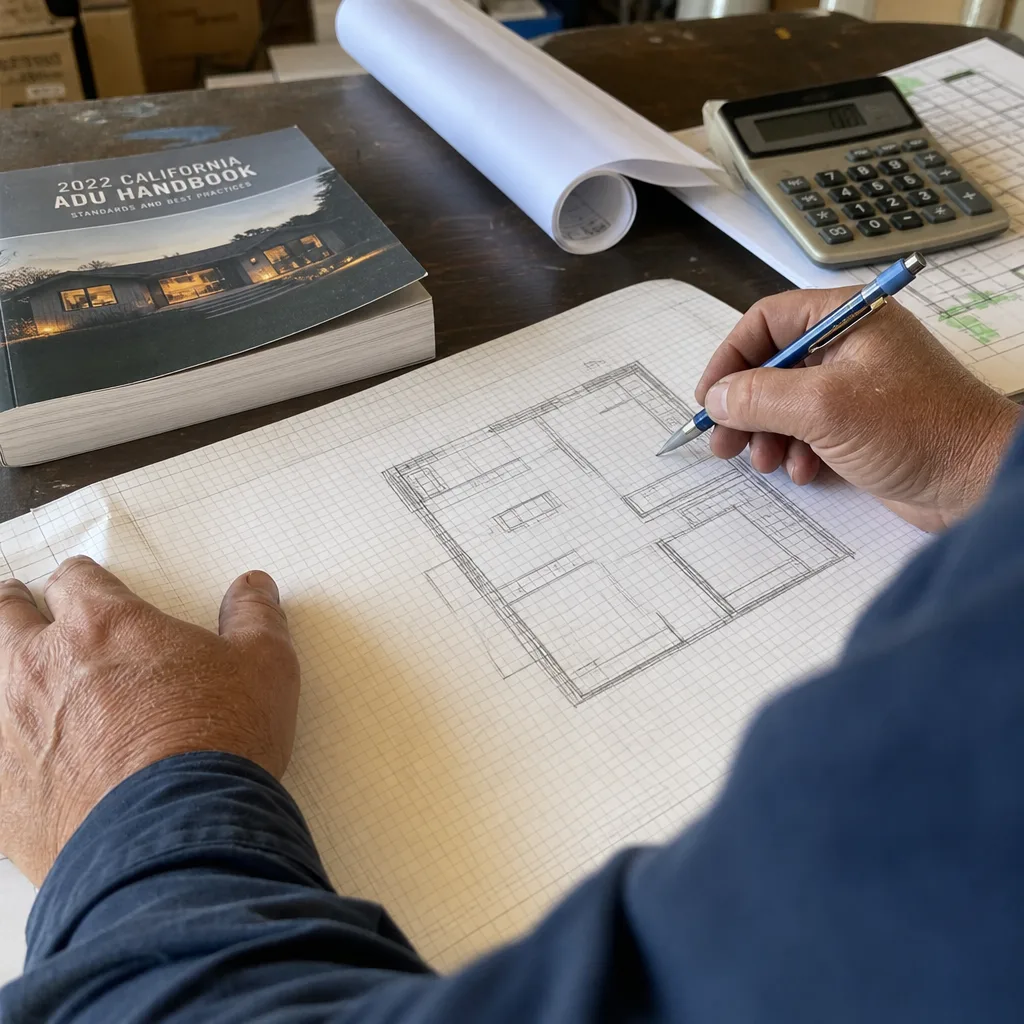
There’s a safe middle ground for James Hardie junior ADU owners in Glendale. You can verify your zone stamp, measure grade clearances with a tape, and photograph fastener heads to check for proper ring-shank specification. What you should not attempt: cutting fiber cement without a HEPA vacuum and respirable silica controls, removing more than one board to inspect substrate without understanding the structural load path, or re-flashing an active leak without verifying the WRB (water-resistive barrier) integrity behind. The silica exposure alone, 0.5 to 2.5 micrograms per cubic meter during uncontrolled cutting, exceeds Cal/OSHA limits within minutes. We carry HEPA-equipped shears and the full James Hardie fastening schedule on every truck. If you’re seeing any of the five symptoms above, call (424) 325-4322 and we’ll schedule a documented site review. The estimate is free, and we bring the correct HZ5 materials to the first visit.
FAQs
James Hardie warranties its fiber cement siding for 30 years and its ColorPlus finish for 15 years. In Glendale’s specific climate, with 280 annual freeze-thaw cycles in the foothills and intense UV at 1,200 feet, we see field performance of 25-30 years for primed-and-painted installations and 18-22 years for installations where the original installer compromised the fastening or flashing detail. Call (424) 325-4322 for a free assessment of your specific installation’s remaining life.
Surface cracks under 1/8 inch can be filled with James Hardie approved patching compound and repainted, but this voids the product warranty and we don’t recommend it for structural or moisture-damaged boards. Once the cementitious face has spalled or the board has taken on moisture weight, replacement is the only repair that preserves the wall assembly’s integrity. We document the repair-versus-replace decision with photos before you commit.
Trim board and limited siding replacement on a Glendale junior ADU typically completes in two to four working days, assuming the substrate is sound and the ColorPlus color is in current production. Custom ColorPlus orders add 14-21 days. We sequence the work to maintain your weather barrier overnight, and we don’t leave a wall open during Santa Ana wind events.
We stock HZ5-specified HardieTrim, HardiePlank in the four most common Glendale colors, Z-flashing, and the complete James Hardie fastening system on our Glendale service vehicles. Full HardiePanel sheets and specialty ColorPlus colors come from the Irwindale distribution center, typically next-day. If your junior ADU conversion has an active leak, we’ll install temporary weather protection same day while we order the exact match.
Written by Nadia Ellery, Owner & Principal Designer, Ellery ADU Studio Glendale at Ellery ADU Studio Glendale, serving Glendale and nearby areas.